
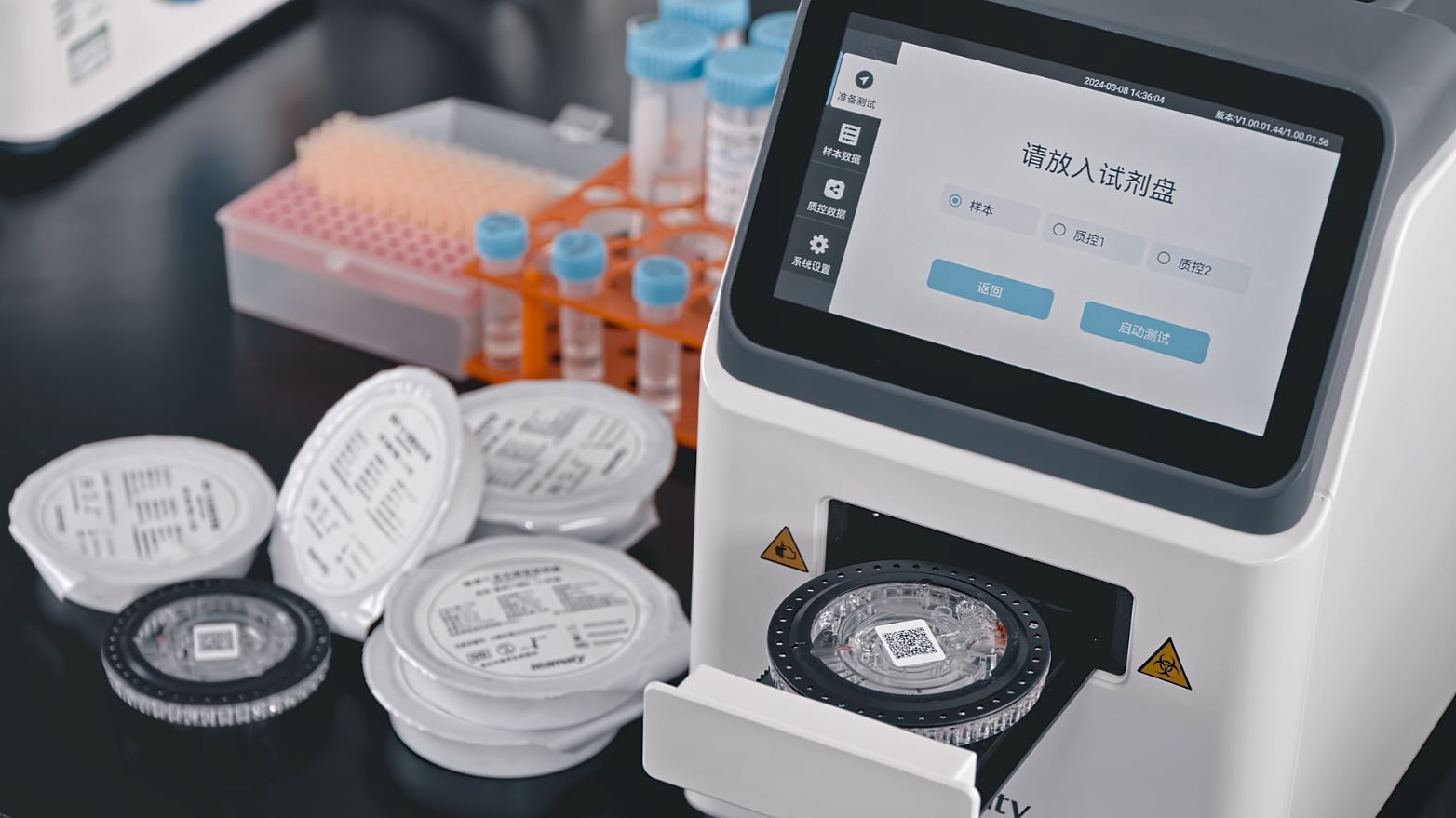
A biochemistry analyzer is a critical medical device that measures chemical components (e.g., glucose, electrolytes, enzymes) in bodily fluids like blood or plasma. It enables rapid, accurate diagnosis and monitoring of diseases—from diabetes to liver/kidney disorders—making it indispensable for clinics, hospitals, and point-of-care (POC) settings.
What Is a Biochemistry Analyzer & Its Uses?
At its core, a biochemistry analyzer leverages analytical principles (e.g., absorption spectroscopy, turbidimetry) to quantify biological markers in samples. Unlike general chemical analyzers, medical biochemistry analyzers are tailored to clinical needs, supporting tests for:
- Electrolytes (sodium, potassium, chloride) to assess fluid balance;
- Metabolites (glucose, creatinine) for diabetes or kidney function;
- Enzymes and proteins to detect liver damage, cardiac issues, or infections.
These devices are vital across care settings: POC analyzers deliver on-site results for emergency care, while lab-based models handle high-volume testing. For example, the Seamaty SD1 Auto Dry Chemistry Analyzer (https://www.ploydia.com/medical-diagnostic/sd1_chemisty_analyzer/) uses absorption spectroscopy to run up to 19 tests from just 100μL of whole blood, serum, or plasma—ideal for rapid patient assessments.
Common Types of Biochemistry Analyzers
Biochemistry analyzers vary by design, workflow, and use case:
- Dry Chemistry Analyzers: Use lyophilized (freeze-dried) reagents on disposable discs (e.g., Seamaty SD1’s reagent discs). No sample pre-processing or liquid reagent handling is needed, making them portable and low-maintenance—perfect for POC and small clinics.
- Wet Chemistry Analyzers: Rely on liquid reagents and complex fluidic systems. They offer high throughput but are larger, costlier, and require trained staff—suited for large hospitals or reference labs.
- Semi-Automated vs. Fully Automated: Semi-automated models need manual sample handling, while fully automated ones (like the SD1) integrate sample loading, testing, and result printing for hands-free operation.
- POC Biochemistry Analyzers: Compact, handheld, or tabletop devices (e.g., SD1, weighing 4.2kg) designed for on-site testing. They prioritize speed and ease of use, eliminating delays from sample transport to central labs.

How to Choose the Right Biochemistry Analyzer
Selecting a reliable analyzer depends on your clinical needs, workflow, and resources. Focus on these key factors:
1. Sample Compatibility & Volume
Ensure the analyzer supports your target samples (whole blood, serum, plasma) and minimizes sample volume—critical for pediatric or geriatric patients. The Seamaty SD1 requires just 90–120μL per test (1/10 of traditional analyzers), reducing patient discomfort.
2. Accuracy & Quality Control
Look for built-in quality control (QC) systems to avoid erroneous results. The SD1 features intelligent IQC (Internal Quality Control) that monitors reagent disc performance for every test, ensuring accuracy comparable to lab-grade equipment.
3. Speed & Throughput
POC and busy clinics need fast turnaround times. The SD1 delivers results in 12 minutes per sample, while its automated workflow eliminates manual steps (e.g., centrifugation) to save time. For high-volume labs, prioritize analyzers with simultaneous sample testing capabilities.
4. Ease of Use & Training
Opt for user-friendly interfaces (e.g., the SD1’s 7-inch touchscreen) and minimal training requirements. The SD1’s 3-step workflow (Add Sample → Insert Rotor → Read Result) allows non-laboratory staff to operate it, reducing operational barriers.
5. Maintenance & Operational Costs
Dry chemistry analyzers like the SD1 have no liquid circuits or wear-and-tear parts, cutting maintenance needs. Disposable reagent discs also reduce cross-contamination risks and eliminate reagent waste. Additionally, check for affordable, readily available reagents.
6. Data Management & Connectivity
Modern clinics benefit from analyzers that integrate with LIS (Laboratory Information System). The SD1 stores up to 500,000 patient records and offers USB/LAN connectivity, streamlining data tracking and compliance.
7. Portability & Size
For on-site or mobile care, compact, lightweight models are essential. The SD1’s dimensions (25×20×30cm) save lab space, while its AC 100–240V power compatibility works in global settings.
Why the Seamaty SD1 Stands Out
The Seamaty SD1 Auto Dry Chemistry Analyzer aligns with all key selection criteria, making it a top choice for POC clinics, small hospitals, and veterinary practices. Its strengths include:
- Minimal sample volume (90–120μL) and no pre-processing;
- 12-minute results and up to 19 test parameters;
- Intelligent IQC and QR code reagent traceability;
- 500,000-record storage and LIS integration;
- Low maintenance with disposable, cross-contamination-resistant reagent discs.
To learn more about how the SD1 can elevate your clinical workflow, visit the official product page: https://www.ploydia.com/medical-diagnostic/sd1_chemisty_analyzer/.
Whether you’re equipping a rural clinic or upgrading a POC station, choosing a biochemistry analyzer that balances accuracy, speed, and usability ensures better patient outcomes— and the Seamaty SD1 delivers on all fronts.